Cisco and OpenAI launch Shirudo to protect running Linux systems during patch rollouts
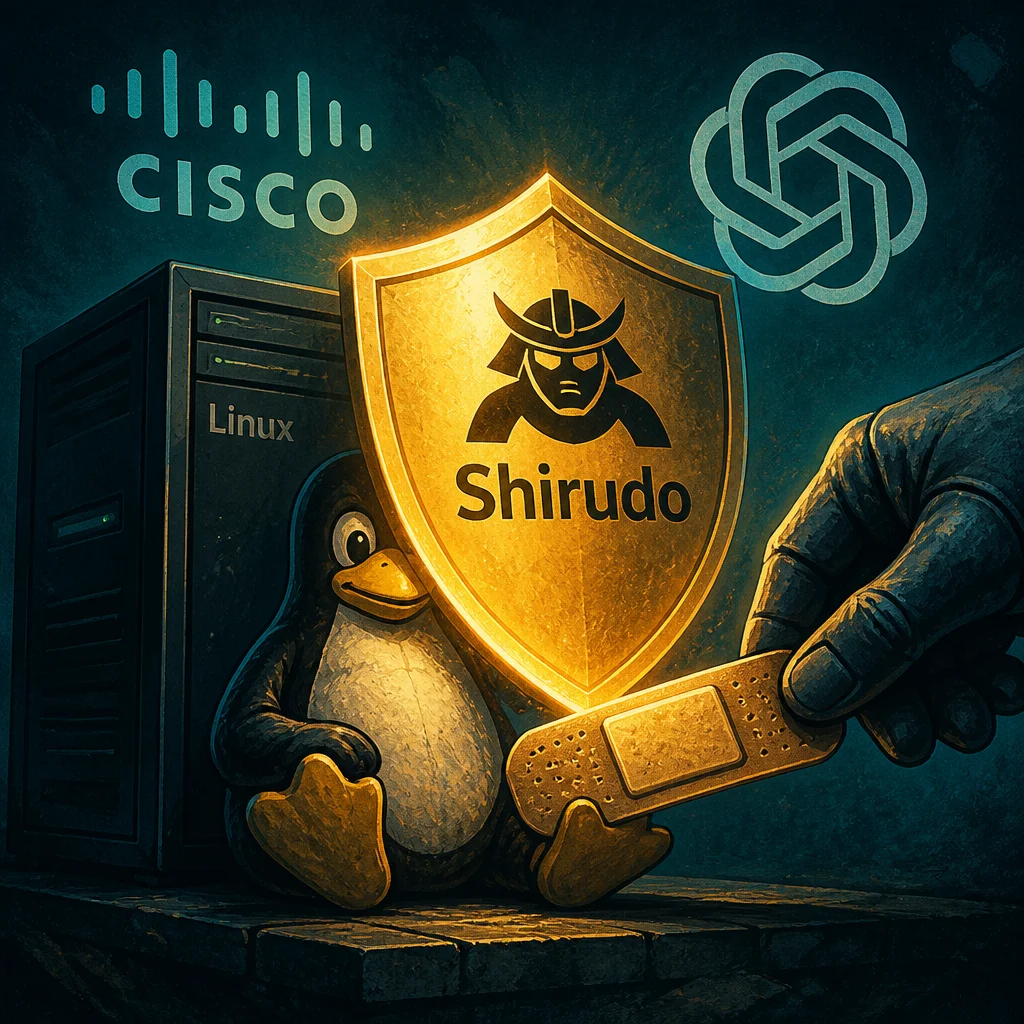
Cisco and OpenAI announced Shirudo on November 23, 2026, as an open-source security project intended to protect running Linux systems while teams roll out patches, without requiring a reboot.[1] According to Cisco, the project uses eBPF to run small custom programs inside the operating-system kernel without changing the kernel’s source code.[1]
The companies say Shirudo is designed to let AI agents find vulnerabilities, build protective “shields” and test whether those shields stop attacks without disrupting services.[1] Cisco says shields go live only when evidence indicates they are safe and are cryptographically signed so a host can verify them before execution, even if an attacker has administrator access.[1]
In company-reported testing, Shirudo wrote code that detected and blocked attempted exploitation of two critical vulnerabilities: Java4shell and a PHP flaw. The announcement did not identify the PHP flaw or provide details of the tests.[1] Cisco and OpenAI have invited developers, researchers and enterprises to help shape the project. Its GitHub repository is available at https://github.com/shirudo-dev/shirudo.[1]
Evidence checks
Passed automated source review
- 3 direct
- 4 attributed
Evidence confidence has not been scored for this revision.
Claims and their sources
- Direct evidenceCisco Newsroom
Cisco and OpenAI announced Shirudo on November 23, 2026, as an open-source security project intended to protect running Linux systems while teams roll out patches, without requiring a reboot.
Direct evidenceCisco NewsroomAccording to Cisco, the project uses eBPF to run small custom programs inside the operating-system kernel without changing the kernel’s source code.
Attributed reportingCisco NewsroomThe companies say Shirudo is designed to let AI agents find vulnerabilities, build protective “shields” and test whether those shields stop attacks without disrupting services.
Attributed reportingCisco NewsroomCisco says shields go live only when evidence indicates they are safe and are cryptographically signed so a host can verify them before execution, even if an attacker has administrator access.
Attributed reportingCisco NewsroomIn company-reported testing, Shirudo wrote code that detected and blocked attempted exploitation of two critical vulnerabilities: Java4shell and a PHP flaw. The announcement did not identify the PHP flaw or provide details of the tests.
Attributed reportingCisco NewsroomCisco and OpenAI have invited developers, researchers and enterprises to help shape the project. Its GitHub repository is available at https://github.com/shirudo-dev/shirudo.
Direct evidenceCisco Newsroom
Full coverage
Original sources
- Cisco NewsroomPrimary evidence · Attributed statement